
Who this machine is for
Bullion and coin dealers, jewellers buying back coins and biscuits, pawnbrokers and vaults - anyone who pays for a coin or bar before it can be assayed.
Gold Testing & XRF Analyzers · Gold Testing
Catches a tungsten core that a scale, acid or touchstone will pass - and tests a sealed coin without opening it.
Full product price ₹1,35,000
Inclusive of GST. Booking amount per unit ₹50,000: counts toward the full price; the balance of ₹85,000 per unit is due on delivery. Book through our team on WhatsApp or by phone; there is no online checkout for this machine. Free delivery · Dispatch in about 35–45 days.
Overview
Bullion and coin dealers, jewellers buying back coins and biscuits, pawnbrokers and vaults - anyone who pays for a coin or bar before it can be assayed.
Specifications
15 parameters, as published on our online store.
The range
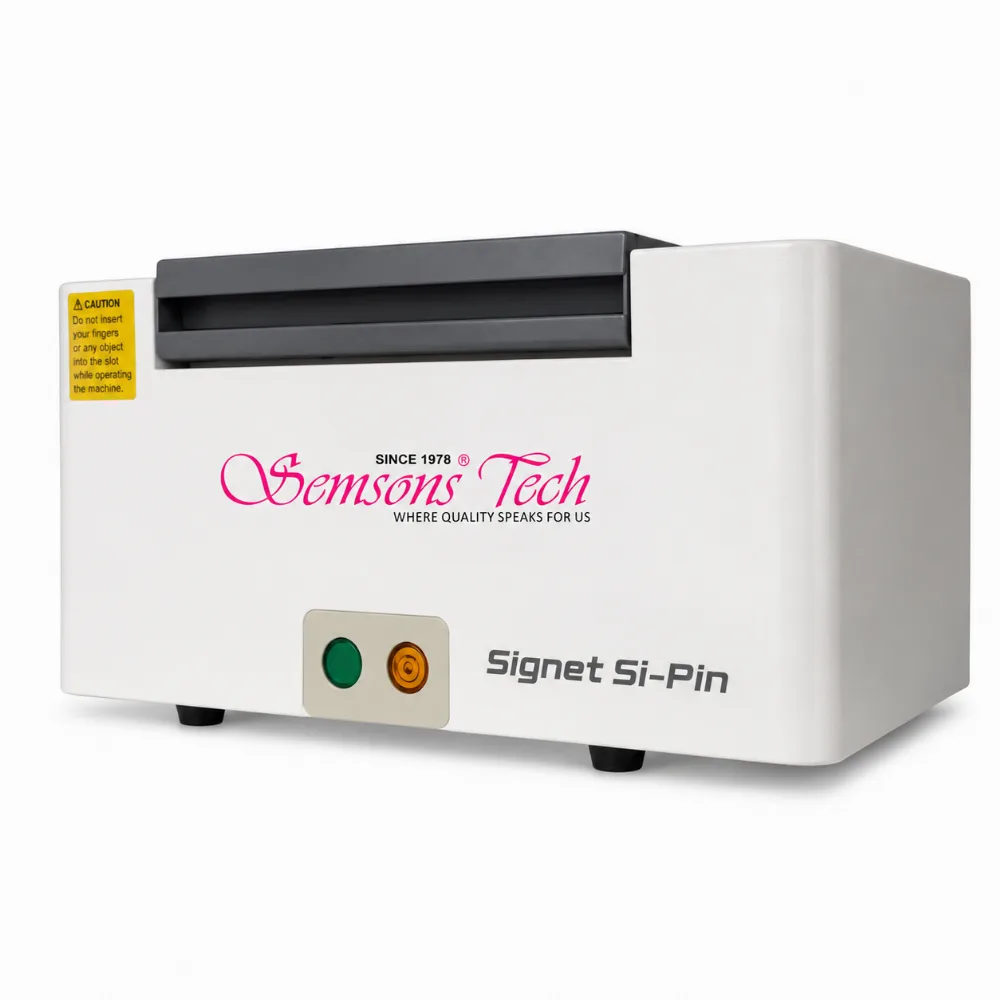
The higher-resolution benchtop analyzer in the Signet range - 72-element coverage for high-purity gold verification.
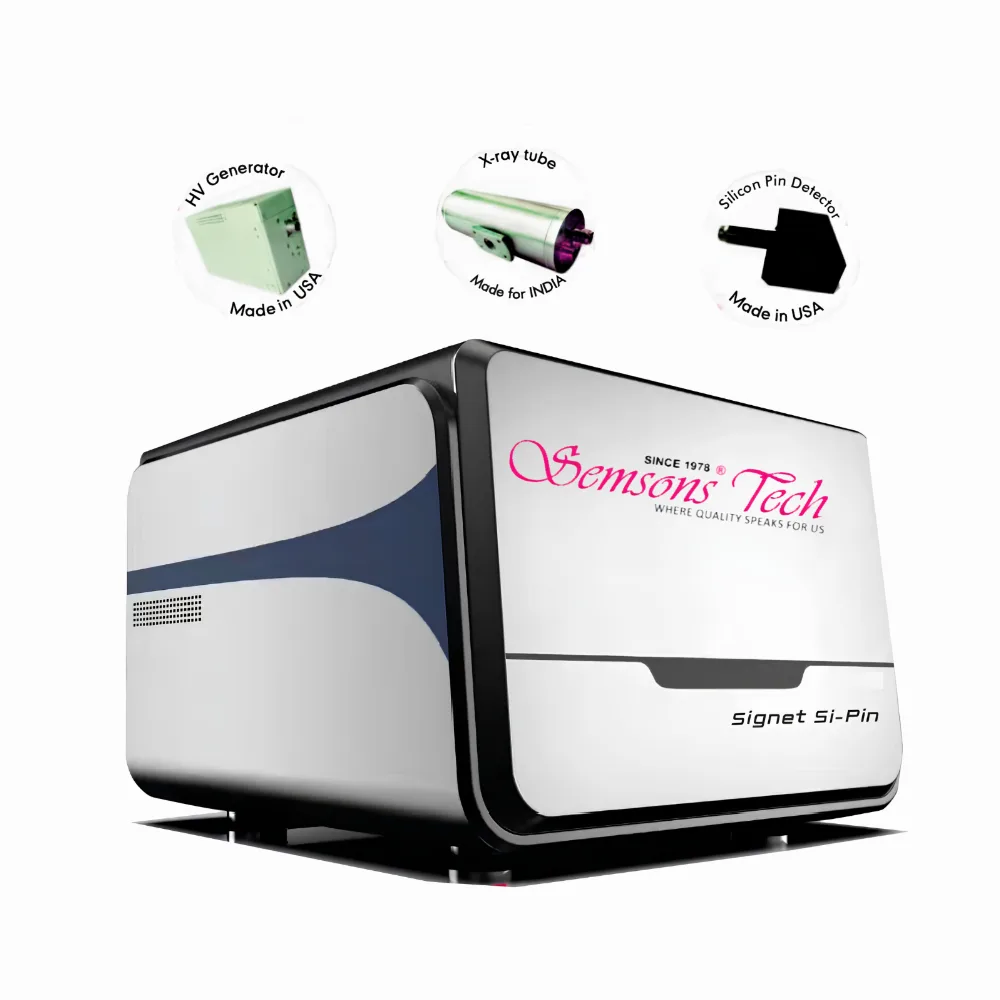
Trace detection down to ppm in a lighter 25 kg benchtop unit - the Signet for smaller floors and wider element questions.
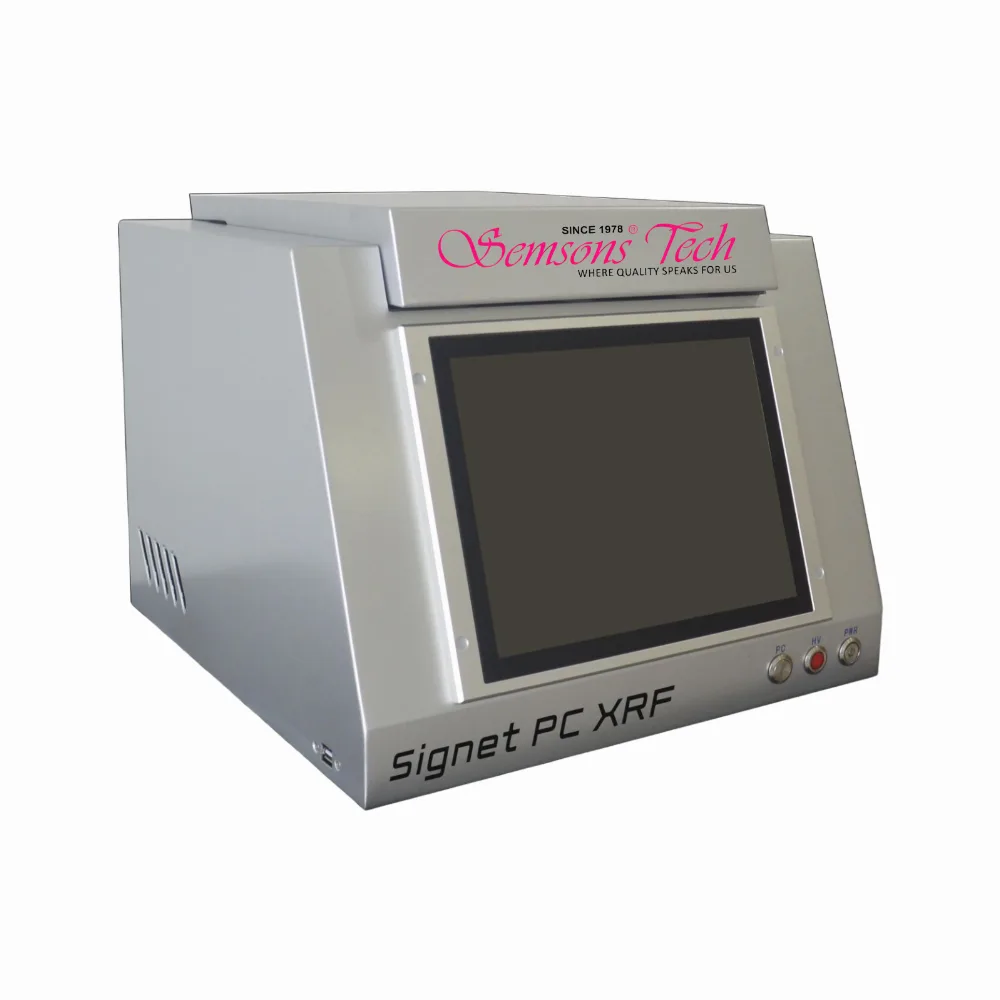
A further unit in the Signet XRF family, listed in the catalogue alongside the FSDD and Si-Pin.
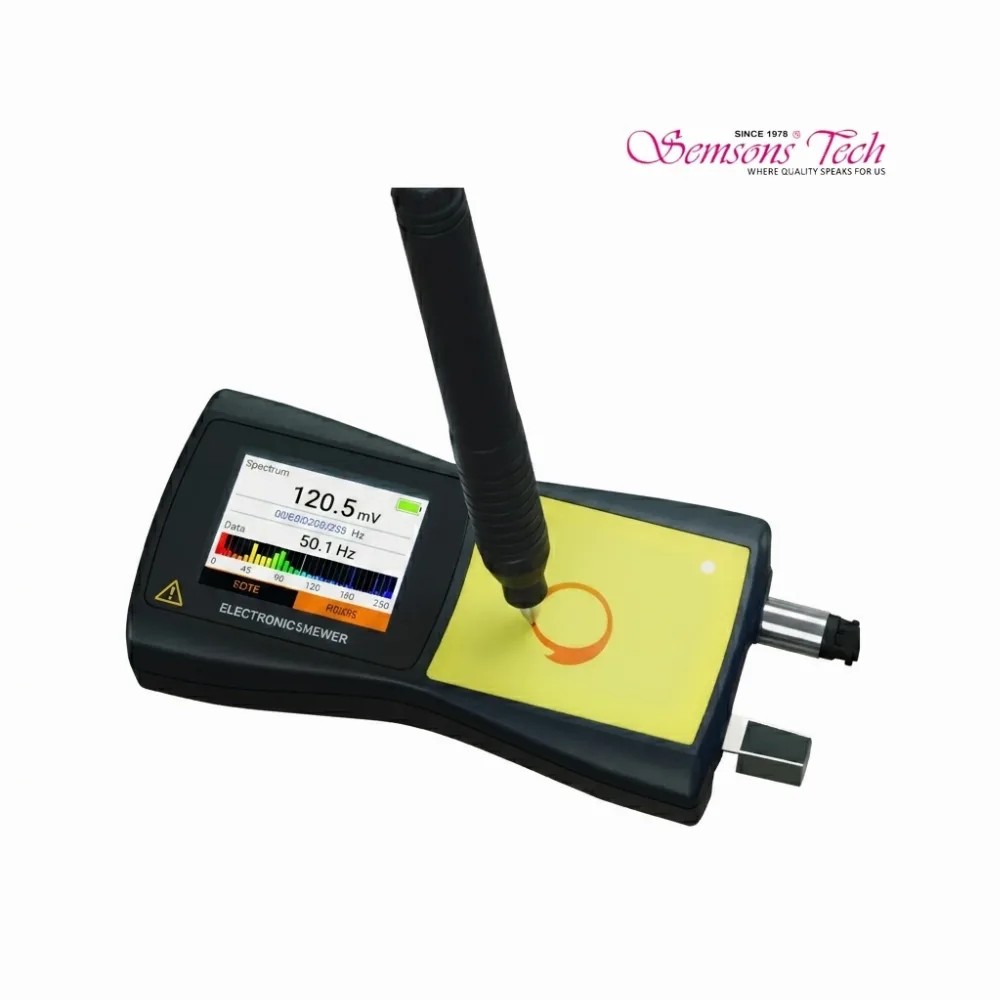
A karat reading wherever the gold is - pen probe, test pad, rechargeable battery.
Before you buy
Test every piece of old gold before you pay and before you melt it. Check the hallmark and HUID, read the alloy on an XRF machine, watch for plated or filled pieces, weigh on a calibrated scale, and record the result with the customer. Once pieces are melted together, a low-purity piece can no longer be found.
Gold testing machines range from about ₹1.35 lakh to ₹18.99 lakh including GST. A portable electronic karat tester costs ₹1,35,000. A benchtop XRF analyzer, which most jewellers call a karat meter, costs ₹6,45,000 for the Signet-PC and ₹18,99,000 for the Signet FSDD. The difference is what each one reads, its published accuracy and what is included.
Start with the hallmark: the BIS mark, a grade such as 22K916 and a six-character HUID that you can verify in the BIS CARE app. For a piece without a hallmark, or old gold you are buying, a non-destructive XRF test, often called a karat meter, reads the purity in under a minute. Fire assay at a hallmarking centre is the reference method. Home tests with a magnet, water or vinegar cannot tell 18K from 22K.
Questions
Straight answers from the people who install and service these machines. Anything not covered here, ask us on the form below.
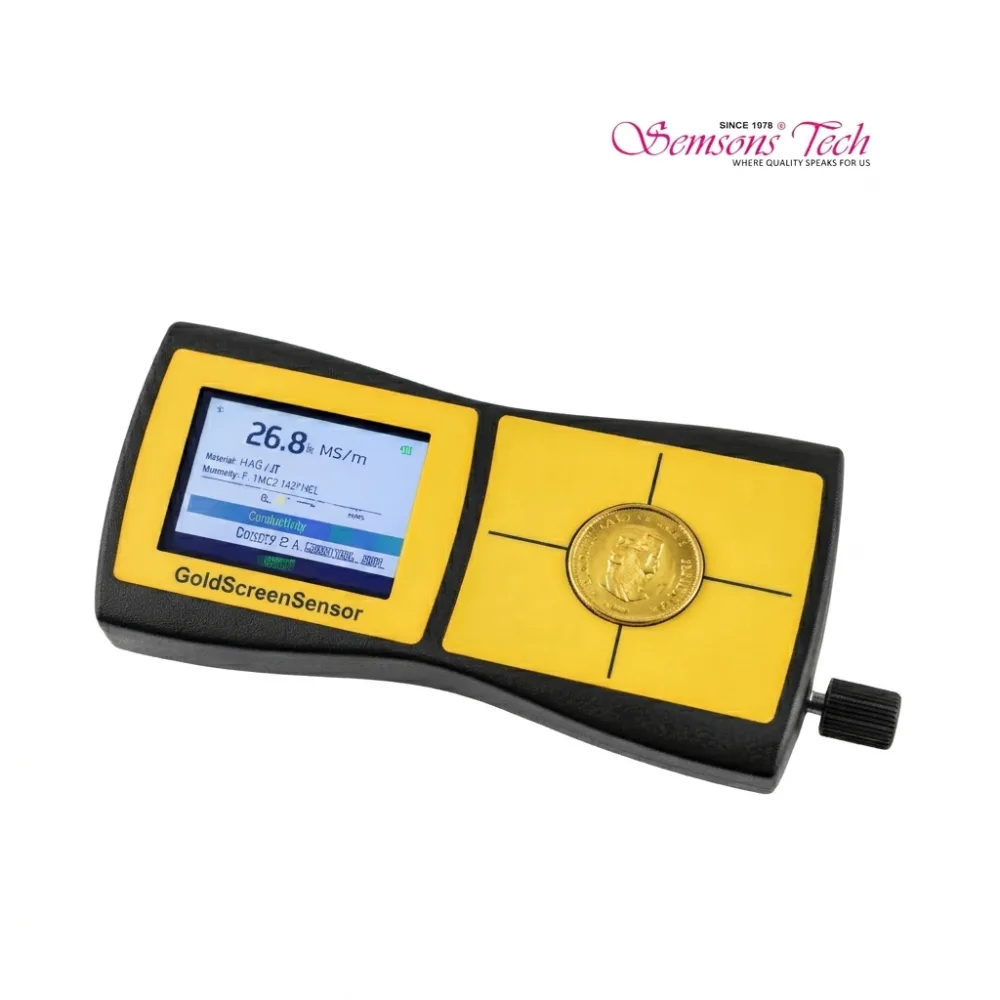
It is a portable tester that checks whether a gold coin, bar or biscuit is genuine by measuring its electrical conductivity with eddy currents. You select the metal the piece is sold as, place it on the sensor pad and compare the reading in MS/m with the value that metal should give. Nothing is scratched, filed or dipped in acid, so the piece can still be sold.
Choose the metal the coin is sold as, for example fine gold or 22K gold, place the coin flat in the centre of the sensor pad, read the screen, then turn the coin over and test the other face. If either reading does not match the value for that metal, do not buy the coin until it has been checked further, for example by weight, size and an XRF test.
Tungsten is almost as heavy as gold, so weight and size checks pass it, and acid or a touchstone only tests the gold on the outside. This tester measures electrical conductivity under the surface. Tungsten reads about 18.8 MS/m, which matches neither fine gold (about 45) nor 22K coin gold (about 9.7), so a hidden core moves the reading away from the value for the metal you selected.
Yes. The field passes through capsules, blisters and foil up to about 3 mm, so a sealed coin is tested without opening it and the packaging stays intact.
No. It shows conductivity and whether it matches the metal you chose; it gives no karat number. For the karat or the full alloy of jewellery, use a Signet XRF analyzer. Many shops that buy both bullion and jewellery keep one of each, because XRF reads the surface and conductivity reaches below it.
It reaches about 0.65 mm into each face, so test both sides, and a very thick gold shell can hide a core deeper than that. Pieces under about 1/4 oz or thinner than about 0.8 mm are outside its range, and it is not meant for rings, chains or set jewellery. Check high-value pieces by a second method as well.
Yes, within its size range. It covers gold, silver, platinum and palladium coins and small bars from about 1/4 oz to about 2 oz, depending on the shape and the metal, with a minimum thickness of about 0.8 to 1 mm. Reference values include fine gold at about 45 MS/m, 22K (916) coin gold at about 9.7 and fine silver at about 61.
Bullion dealers checking coins and bars before paying for them, jewellers buying back gold coins and biscuits across the counter, pawnbrokers checking coins and bars before lending against them, coin dealers and collectors testing sealed coins, and vaults spot-checking stored bullion.
The tester, a copper calibration piece, the charger and cable, the instruction manual, a quick guide and a padded carry case. It is a portable, battery-powered unit, so there is no installation: it runs for over 10 hours per charge and charges in about 2 hours.
Book through our sales team on WhatsApp or by phone; there is no online checkout. The booking amount counts toward the full price and the balance is due on delivery, for 1 to 10 units per booking. Delivery is free, with dispatch in about 35 to 45 days.
The Gold Coin Tester is priced at ₹1,35,000, inclusive of GST. You book it through our team with a booking amount of ₹50,000 per unit, which counts toward the full price; the balance of ₹85,000 per unit is due on delivery. Message or call our sales team, or send your requirement through the form on this page.
Quotation
Tell us your designs, stone sizes and target output. We reply within one working day with the right configuration and a written quotation.
Your enquiry reaches our team tagged to this exact model, so you will not be sent a generic brochure.